
Security
Nulled Meaning: What Nulled Plugins Are and Why They're Risky
Nulled means a paid WordPress plugin or theme with license checks removed. Learn the GPL nuance, malware risk, update problem, and safer alternatives.

Nulled means a premium plugin or theme that’s had its license checks removed so it runs without a valid key, then gets redistributed through third-party download sites. That’s the nulled meaning in one sentence.
The legal answer is more nuanced than “piracy.” The GPL can permit redistribution of covered WordPress code, but trademarks, bundled assets, hosted services, and vendor support can have different terms. The practical risk is the modified zip itself: injected backdoors, dead update channels, and nobody accountable for either.
I sell a WordPress plugin, so I have a horse in this race. I’ll still give you the honest version, because the honest version is scarier than the legal scare tactics.
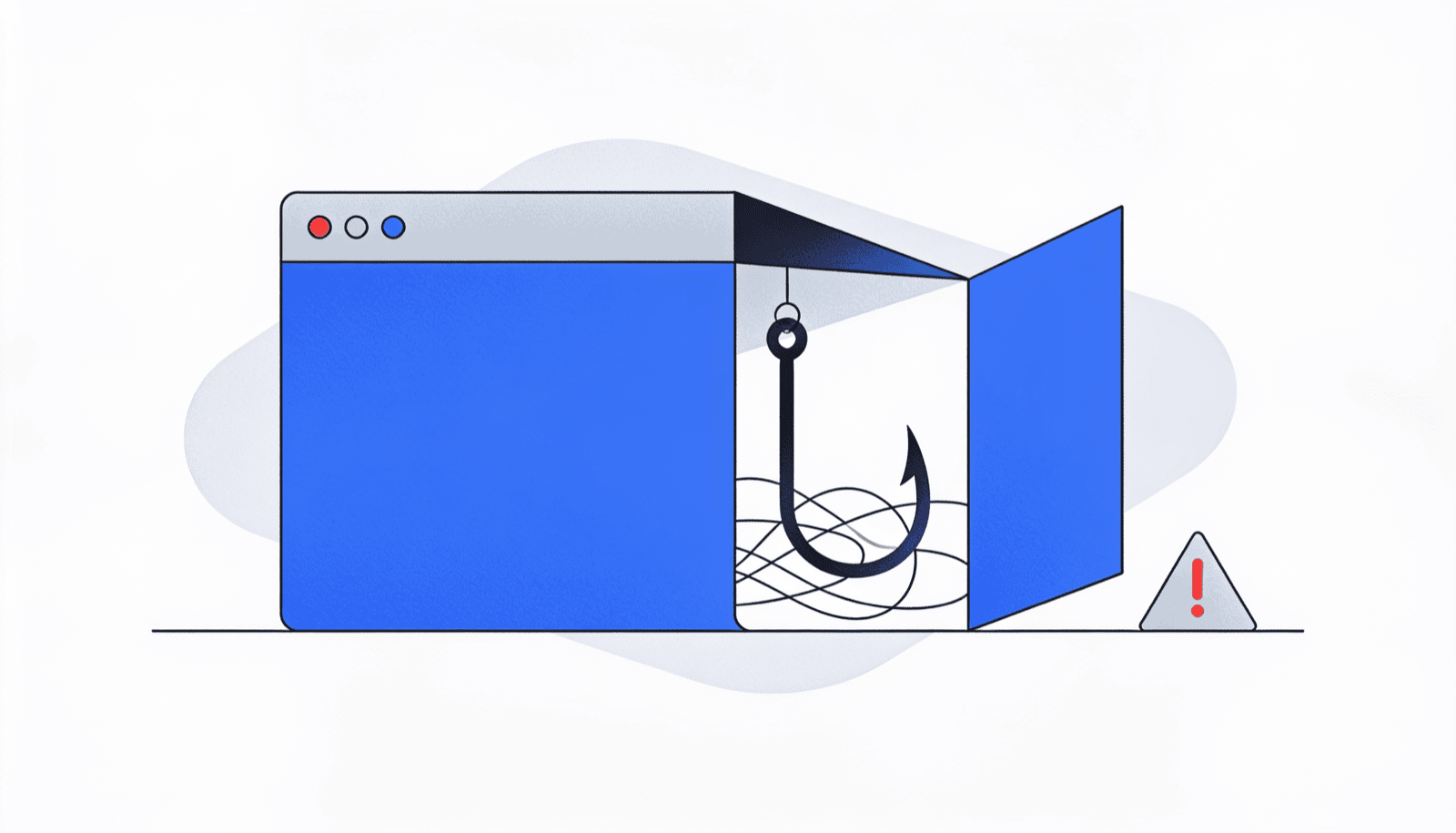 The zip looks identical. The extra 40 lines of obfuscated PHP don’t show up on the download page.
Nulled meaning at a glance
The word “nulled” describes software changed to bypass a paid license check. It doesn’t tell you who changed the package, whether the code is clean, or whether updates still work. Those unknowns are why a free download can become an expensive security incident.
| Question | Short answer |
|---|---|
| What does nulled mean? | License verification was removed or bypassed. |
| Is a nulled plugin legal? | GPL-covered code may be redistributable, but trademarks, assets, and services can have different terms. |
| Is a nulled plugin safe? | You can’t establish a trustworthy chain of custody for the modified zip. |
| Will it receive updates? | Usually not through the vendor’s licensed update channel. |
What does nulled mean?
A nulled plugin is a paid plugin with the licensing code stripped out. Someone buys one copy, opens the PHP, deletes or bypasses the functions that check for a valid license key, and uploads the modified zip to a “GPL club” or nulled-download site. The plugin now runs on any site, no key, no purchase.
In WordPress, the nulled meaning is specific: a modified commercial package that bypasses license verification. It doesn’t mean every legally redistributed GPL plugin is malicious or unauthorized.
The name comes from the edit itself. The license check gets nulled: return values forced to true, key fields set to null, or the call to the vendor’s server removed entirely.
That last edit matters more than it sounds. The code that validates your license is often the same code that talks to the vendor’s server for updates. I walked through that mechanism in how license activation works. Kill the check and you usually kill the update channel with it.
Are nulled plugins illegal?
Redistributing GPL-covered WordPress code can be legal because the GNU General Public License grants recipients rights to copy, modify, and share covered code. WordPress explains its GPL position and says plugins and themes are derivative work. That doesn’t automatically clear trademarks, proprietary assets, hosted services, or every jurisdiction-specific issue.
That legal nuance is part of the nulled meaning people miss. Redistribution rights and package trust are separate questions.
So when a vendor calls every redistributed plugin “stolen,” the legal reality may be more complicated. A download site can still misuse the plugin’s trademark or redistribute non-GPL assets without permission. The practical question for a site owner is simpler: can you trust a modified executable package from an anonymous source?
I’m telling you this because the legal argument against nulled plugins is weak, and pretending otherwise ruins the credibility of the strong argument. The strong argument is about what’s in the zip.
The plugin’s EULA may also cover support, updates, trademarks, or hosted services even when the PHP is GPL-licensed. I covered that boundary in what a EULA actually is.
What actually arrives in a nulled zip
What arrives is modified code from an anonymous party who profits from your traffic, not a free copy of the plugin. Three problems ship in that zip, and any one of them costs more than the license you skipped.
Injected malware. Nulled distributors monetize somehow. The common payloads: PHP backdoors that give the distributor admin access later, hidden spam links injected into your rendered pages, SEO redirects, and crypto miners. The code is obfuscated and placed in files you’d never think to open. Security firms that clean hacked WordPress sites cite nulled plugins and themes as one of the most common infection sources they see.
No security updates. The update mechanism often depends on the same license channel that got nulled. When the vendor patches a vulnerability next month, your copy may never hear about it. You’re running frozen code without a trustworthy patch channel.
No support, no accountability. Something breaks after a WordPress core update and there’s nobody to email. The vendor won’t help without a valid key, and the nulled site’s “support” is a forum of other people running compromised copies.
The cost math
A typical premium plugin license runs somewhere around $59 a year. A hacked site costs a multiple of that, paid in worse currency than money.
Cleanup time. Finding an obfuscated backdoor across a WordPress install is hours of work even for someone who reads PHP, and hundreds of dollars if you hire it out. Reinfection is common because backdoors install more backdoors.
SEO damage. Spam-link injection gets your site flagged by Google. Rankings drop, browsers show warning interstitials, and recovering trust takes months after the cleanup is done.
Reputation. If the site handles customer data or payments, a compromise is a conversation with your clients you don’t want to have. A compromised site can leak form submissions, which is why I treat spam and abuse protection as a core feature rather than an add-on. A backdoored install defeats all of it.
Skipping a $59 license to take on that risk profile isn’t frugal. It’s a bad trade dressed up as one.
For plugin authors: what actually protects revenue
DRM doesn’t protect your revenue. Anything you write in PHP can be nulled by anyone who reads PHP. What nulling can’t copy is the ongoing relationship: frequent updates, licensed auto-updates, real support, and any hosted service behind the plugin.
In practice, the license key gates the update channel. The plugin checks its key against your server and fetches new versions only when the key validates. Core Forms’ licensing server exposes exactly this through an EDD-compatible client API with check_license, activate_license, and get_version endpoints, plus SHA-256-verified downloads behind expiring links. I documented the setup on the licensing feature page.
A nulled copy of your plugin is a copy that decays. Every release you ship widens the gap between paying users and the frozen bootleg. That, not obfuscation, is the moat. Ship updates often enough and the nulled version becomes its own advertisement for the real one.
If you can’t afford the plugin
The honest alternative to a nulled plugin is a free one, and WordPress has better free options than almost any software ecosystem. The wordpress.org repository hosts tens of thousands of plugins with a public update channel. Many premium plugins also have a free tier or a free competitor.
Use the free tier. Most commercial plugins ship a genuinely usable free version. It’s the vendor’s funnel; take advantage of it.
Use an older free equivalent. The unfashionable plugin that does 80% of the job with zero risk beats the fashionable one with a backdoor.
Email the vendor. Small plugin shops hand out discounts more often than you’d think, especially to students, nonprofits, and people who just ask.
FAQ
What is the nulled meaning in WordPress?
Nulled means a premium plugin or theme modified to remove its license verification, so it runs without a purchased key. These copies circulate on third-party download sites. The license code that got removed is usually the same code that delivers updates, so nulled copies also stop receiving security patches.
Are nulled plugins illegal?
GPL-covered PHP code may be redistributable, but that doesn’t automatically cover trademarks, bundled proprietary assets, hosted services, or every jurisdiction. Nulled sites can violate those separate rights. For a site owner, the immediate risk is trusting a modified zip with no reliable chain of custody or vendor update channel.
Are nulled plugins safe if I scan them first?
No. Malware in nulled plugins is obfuscated PHP designed to pass casual inspection, and scanners routinely miss fresh payloads. Even a genuinely clean nulled copy stays unsafe over time, because it never receives security updates. You’d be running known-vulnerable code with no patch channel.
How do I check if a plugin on my site is nulled?
Compare it against a fresh copy from the vendor or wordpress.org and diff the files. Warning signs: it never prompts for a license key, it never shows available updates, or it contains obfuscated code blocks (eval, base64_decode) the original doesn’t have.